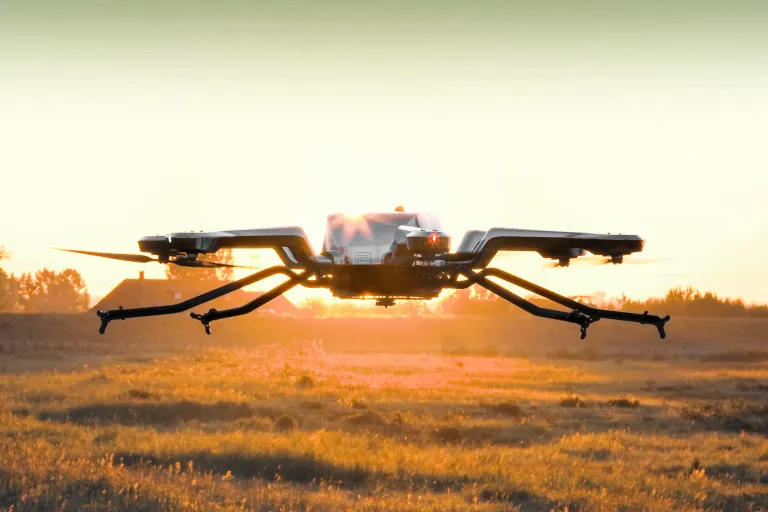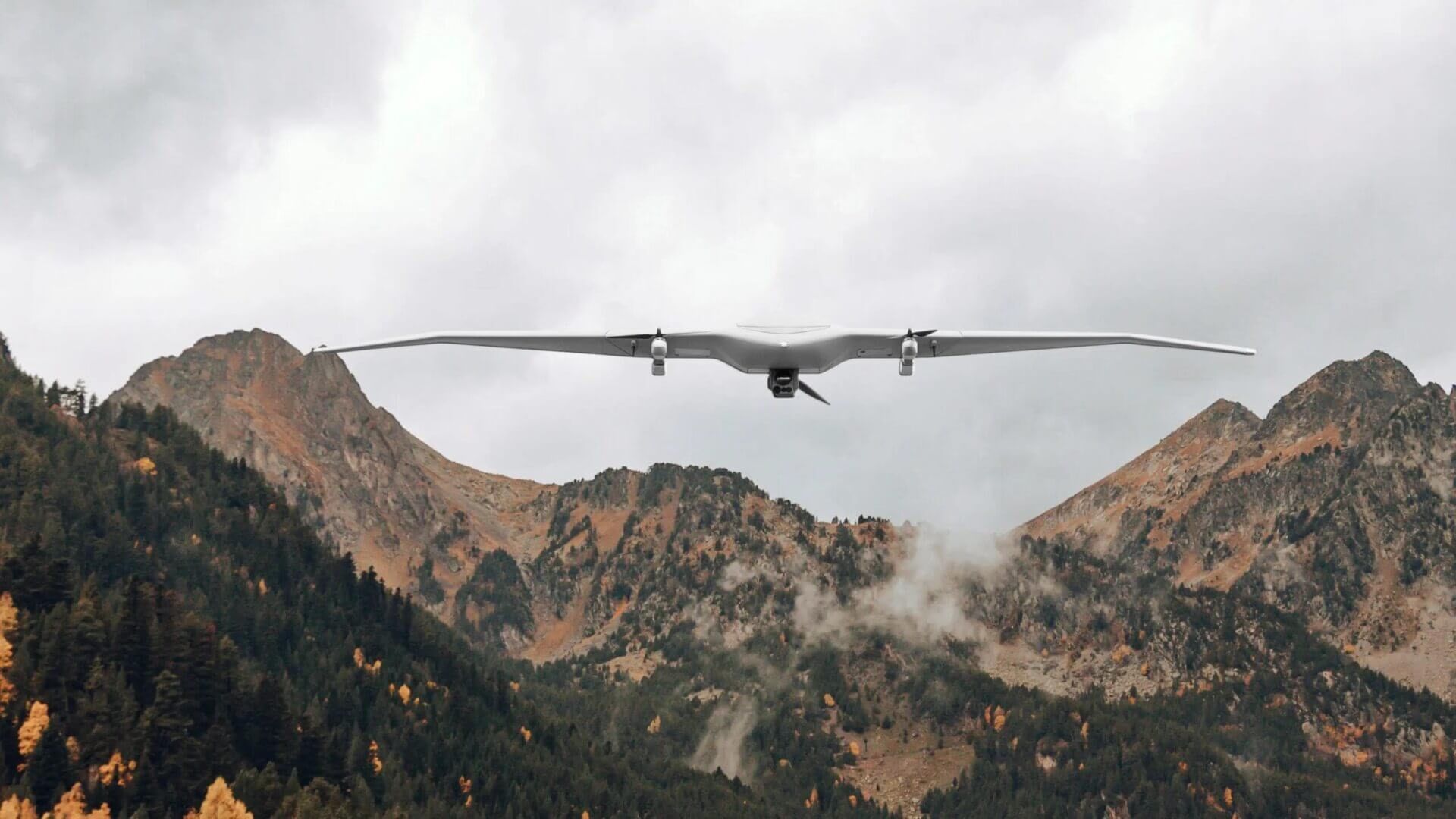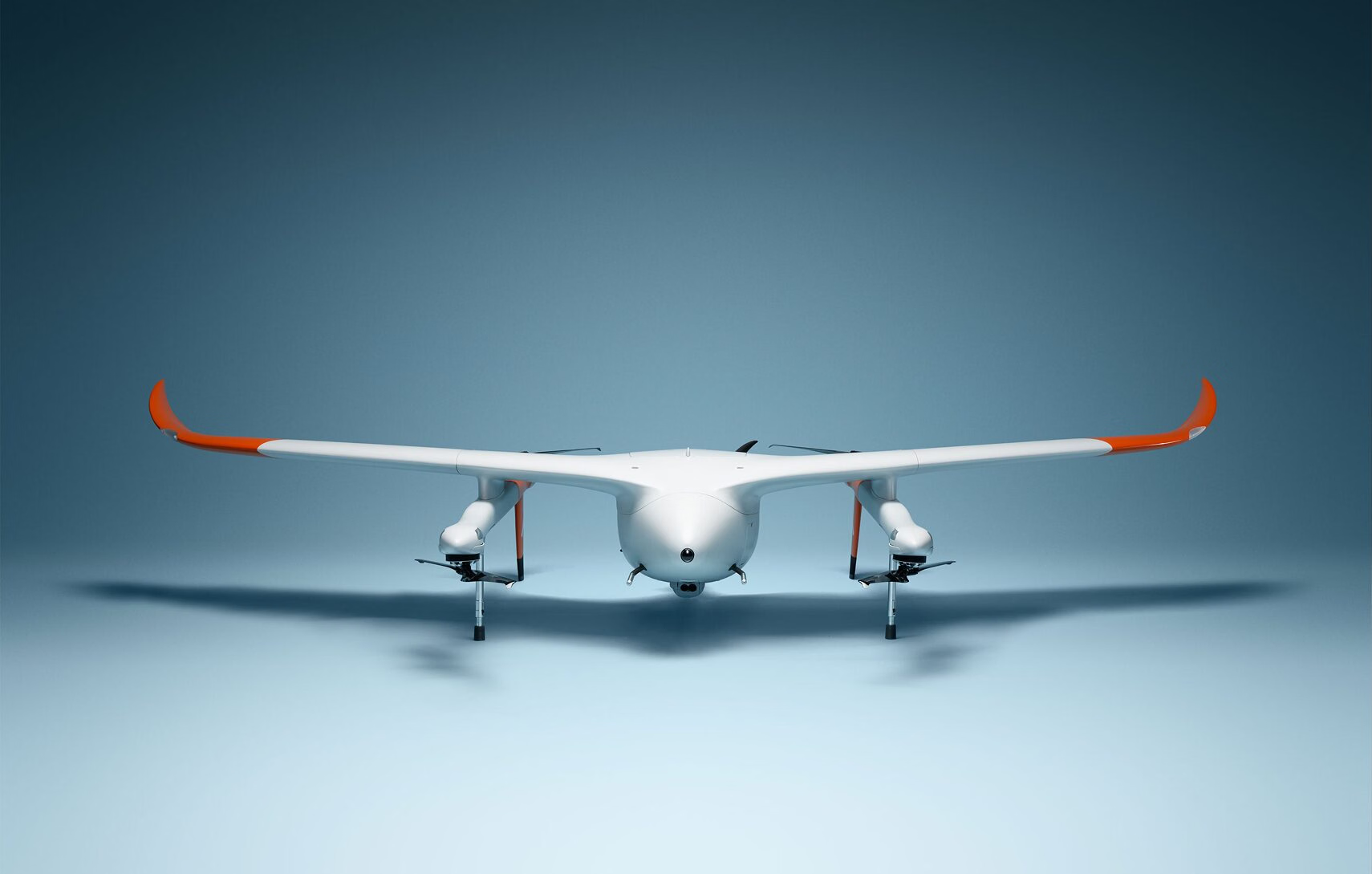
Avy’s Aera carries emergency medical cargo for European health services. A 35 Ah smart pack with DroneCAN integration doubled flight time to two hours, with state-of-charge and state-of-power prediction on board.
Case study
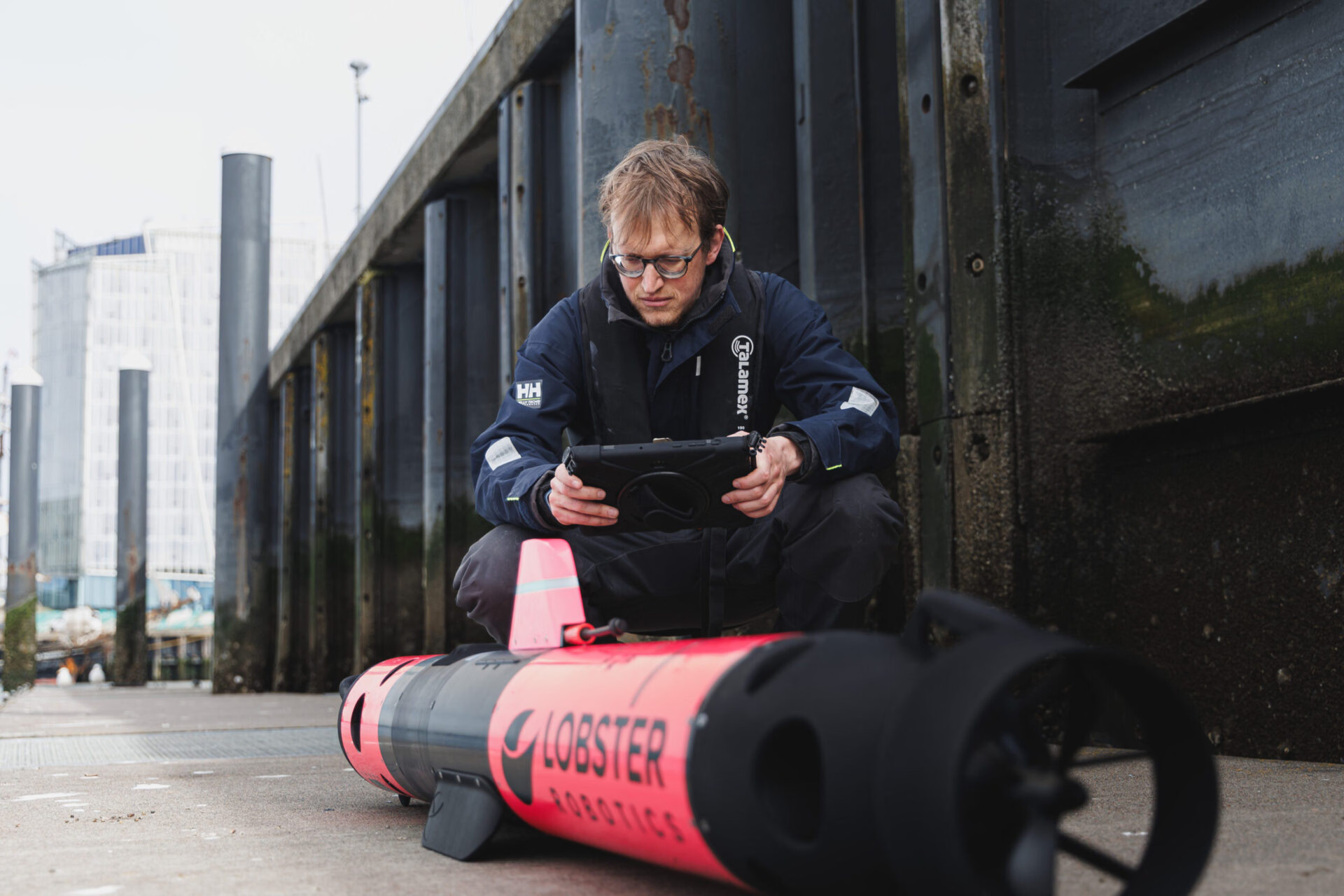
Lobster Robotics needed longer dives without a bigger hull. A high-density pack built on self-fused cells delivers 60% more battery life at the same size and stays serviceable offshore.
Challenge
Increase dive duration inside a sealed, dry hull where battery volume cannot grow.
Solution
A high-density pack using self-fused cells, engineered to fit the existing enclosure and remain serviceable offshore.
Result
60% more battery life in the same physical space, enabling longer underwater survey missions without a larger drone.
Lobster Robotics builds underwater systems for survey work. Endurance is central to the value of each deployment, but the existing dry hull leaves no room for a larger battery.
The team needed more energy without changing the drone’s footprint or making field service more difficult.
Tulip designed a high-density battery around self-fused cells. The pack fits the existing enclosure while giving the platform significantly more usable energy.
The result is a battery that supports offshore operations and can be serviced without turning a practical field workflow into a complex maintenance task.
The new pack provides 60% more battery life at the same size. Lobster Robotics can extend underwater survey missions without asking operators to accept a larger or less practical vehicle.
Related cases