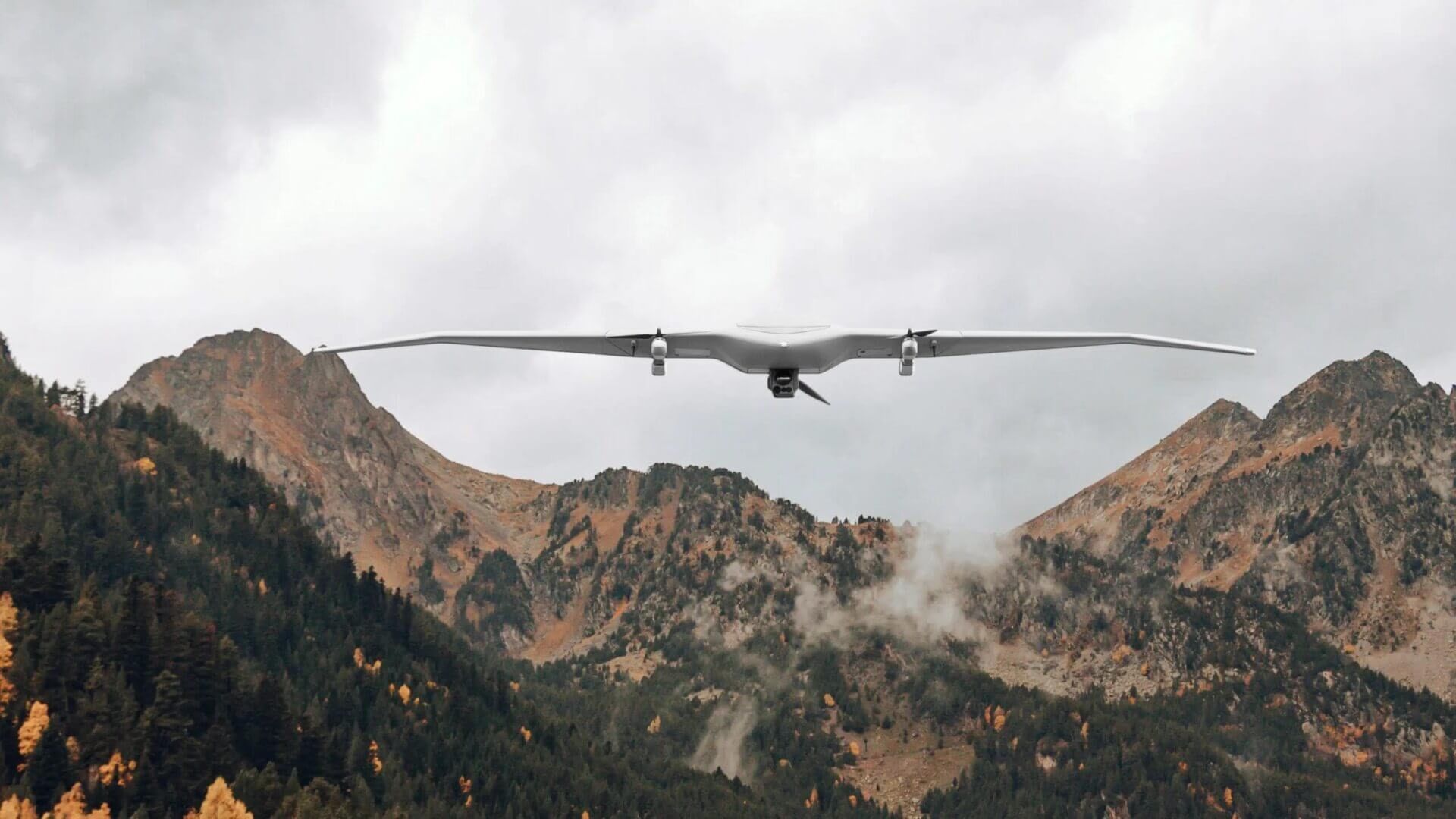
The Acecore Noa now flies 77 minutes at a 1 kg payload and 57 minutes at 6 kg. A 39 Ah lithium-metal pack at 360 Wh/kg and around 600 cycles is retrofittable to every Noa already in the field.
Case study
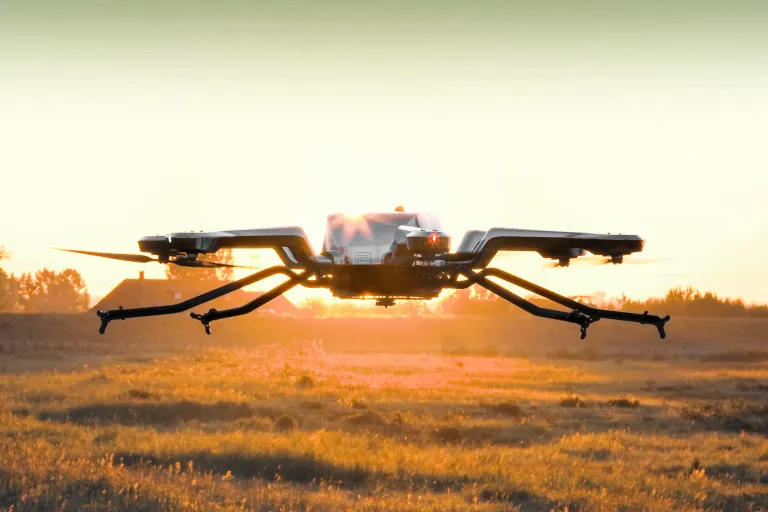
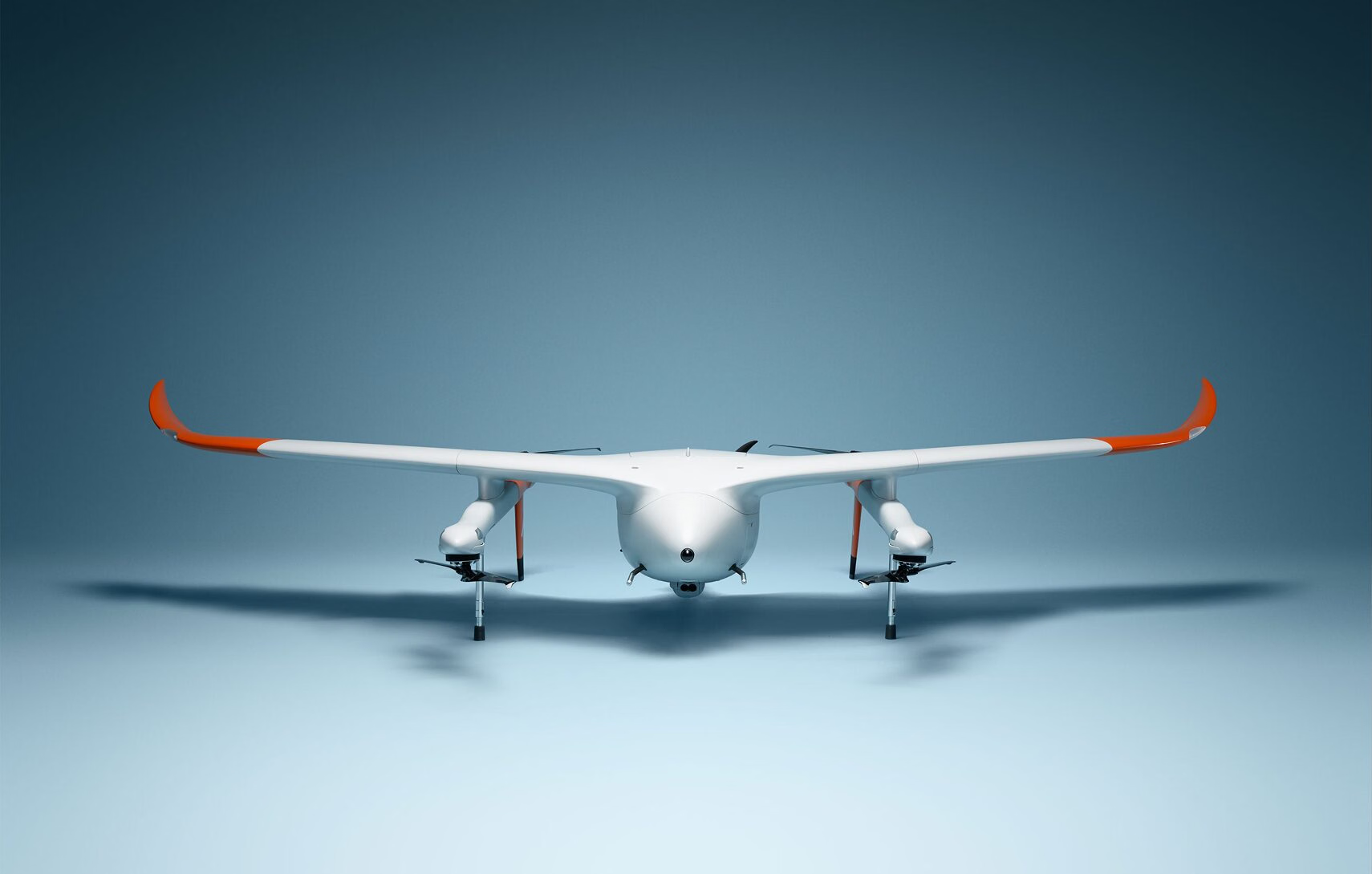
Avy’s Aera carries emergency medical cargo for European health services. A 35 Ah smart pack with DroneCAN integration doubled flight time to two hours, with state-of-charge and state-of-power prediction on board.
Challenge
Carry urgent medical cargo over useful distances while keeping battery health and remaining power visible to operators.
Solution
A 35 Ah smart pack with Tulip’s second-generation BMS and DroneCAN integration for live health, power and state-of-charge data.
Result
Flight time increased from around one hour to two hours, helping Avy move essential supplies up to 65% faster than road transport.
Avy develops autonomous aircraft for healthcare and emergency missions. Its Aera platform moves medical cargo where time and access matter most.
For these missions, the battery is not an invisible commodity. It sets the range, reliability and operational confidence of every flight.
Tulip supplied a 35 Ah smart pack designed around Avy’s operational needs. The integrated battery-management system communicates through DroneCAN, giving the aircraft live state-of-charge, state-of-power and battery-health data.
That combination roughly doubled flight time to two hours. It gives the Aera more time in the air while helping operators make informed decisions before and during a mission.
The added endurance helps Avy serve healthcare partners with a faster, more resilient delivery option. Essential supplies can reach their destination without depending on the conditions that slow conventional road transport.
Related cases